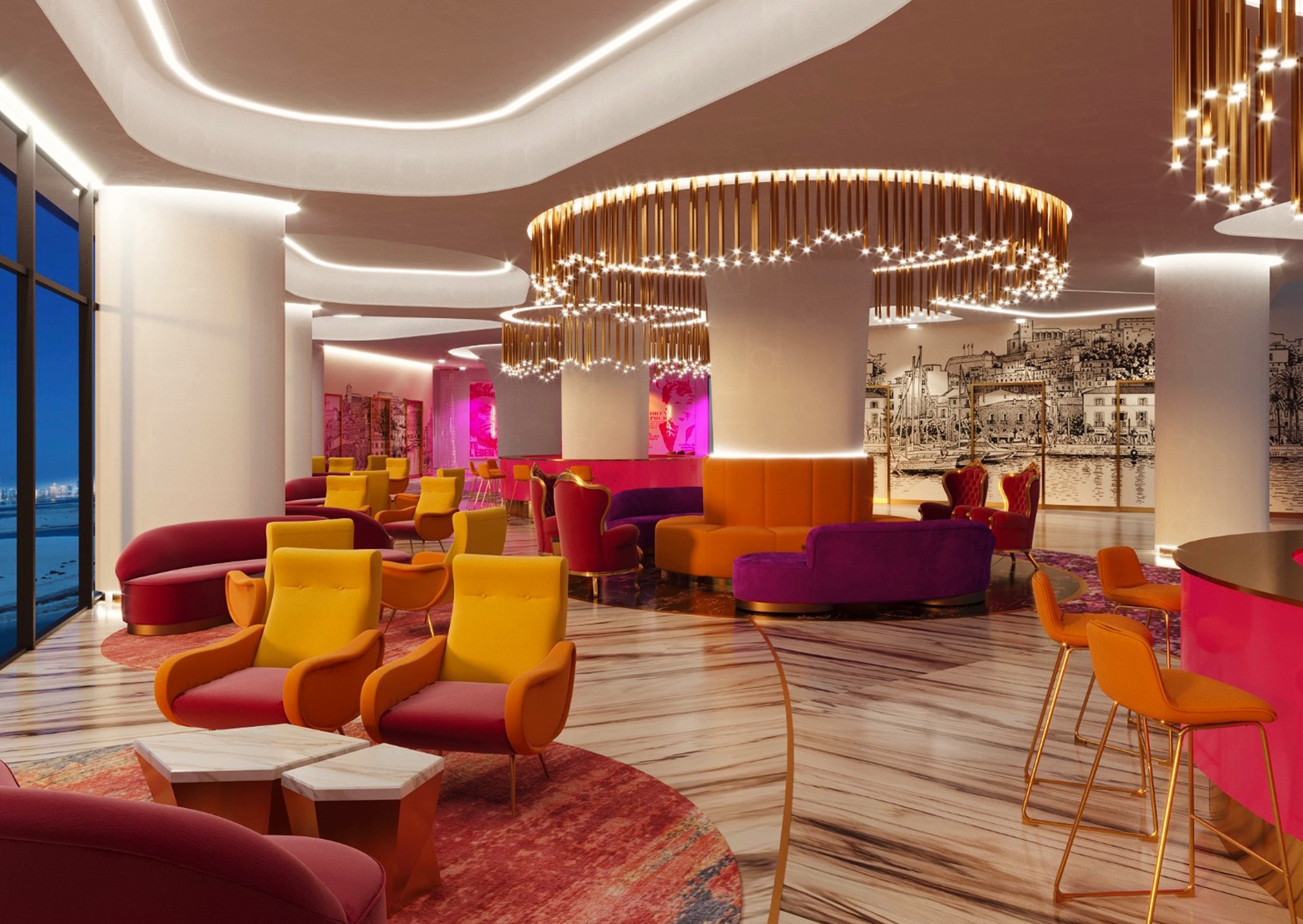
The Evolution of Luxury Hospitality Interior Design in Dubai
At Spiria Design Studio, we believe that every space tells a story. Our approach to interior design goes beyond aesthetics — we create immersive experiences that engage all the senses. From the carefully selected lighting that sets the mood, to the textures that invite touch, to the spatial flow that guides movement, every element is thoughtfully considered to create environments that resonate with guests and stand the test of time.
Over two decades of work across the UAE and Saudi Arabia, we have watched Dubai’s hospitality interiors move from decorative opulence toward something far more demanding: spaces that are engineered to be experienced. Below we break down what has changed, and what it means for venue owners planning a project in 2026.
1. From Decorative Luxury to Experiential Design
A decade ago, luxury in Dubai was communicated through surface: marble, gilding, and scale. Today guests read luxury through how a room behaves. Sightlines, arrival sequences, and the pace at which a space reveals itself now carry more weight than the price of the finish.
- Narrative Arrival: A deliberate sequence from entrance to seating that builds anticipation instead of exposing the whole venue at once.
- Micro-Zoning: Large floorplates broken into intimate settings with screens, level changes, and lighting rather than solid walls.
- Tactile Materiality: Brushed brass, organic stone, and hand-woven textiles chosen for how they feel under the hand, not only how they photograph.
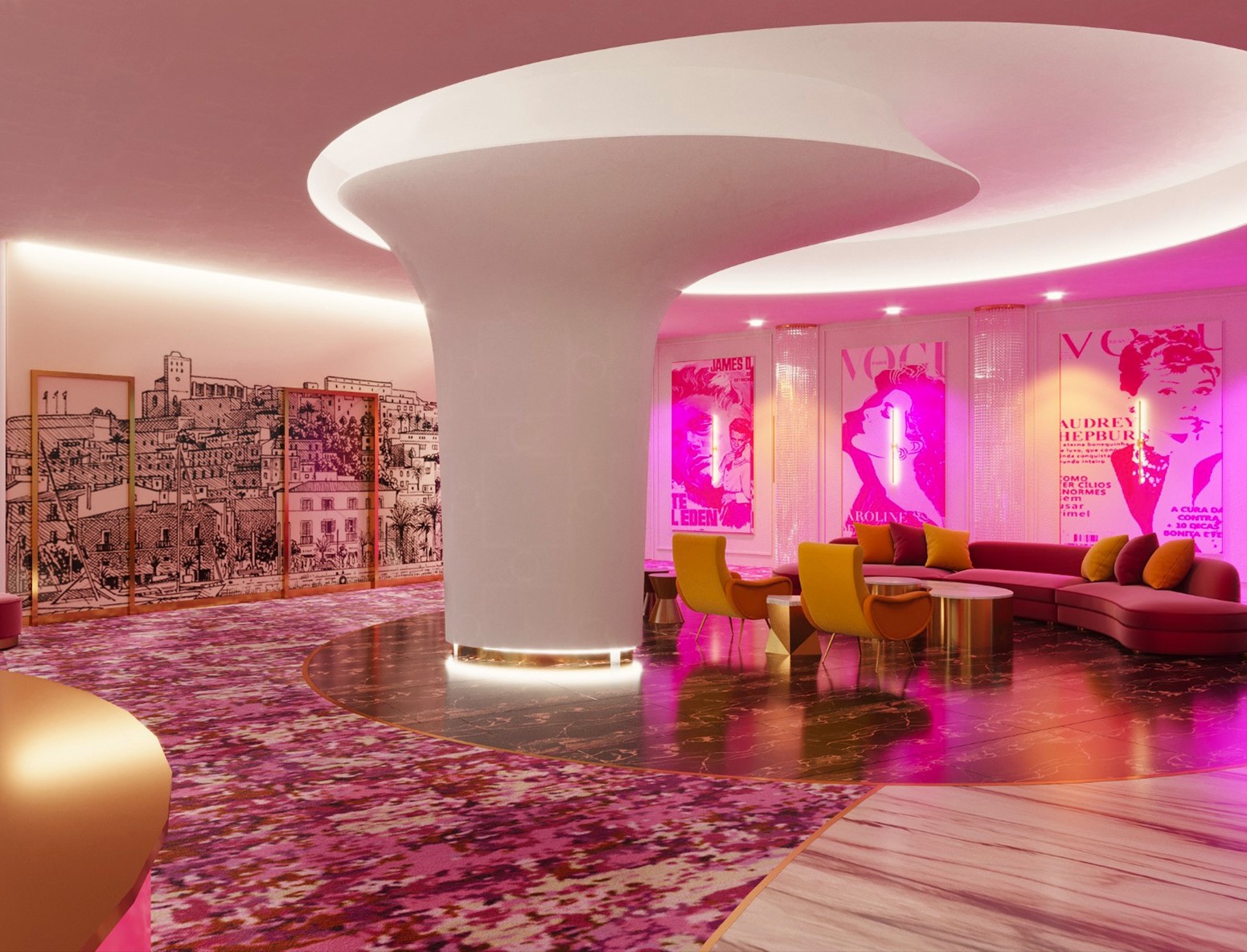
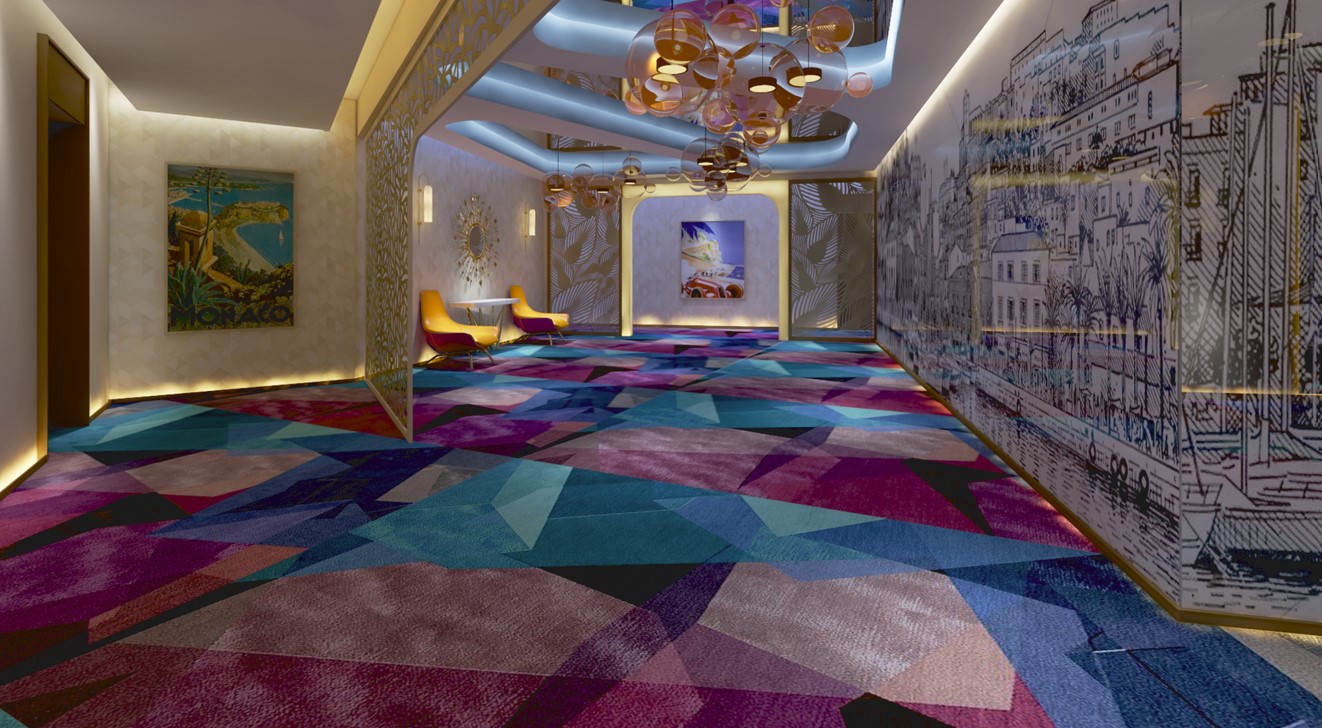
"Architecture and interior design in luxury venues must harmonize function with emotional impact. When spatial proportions, ambient lighting, and bespoke materiality align, a venue becomes an unforgettable destination."
2. Acoustic Management & Mood Transitions
In high-end dining and entertainment spaces, spatial acoustic management and tailored mood transitions play a crucial role in guest retention. By engineering seamless transitions between vibrant bar lounges and intimate VIP seating areas, our design team ensures optimal operational flow while preserving private, high-value dining experiences.
The practical tools are unglamorous but decisive: acoustic plaster ceilings, micro-perforated joinery, and heavy drapery that absorb high frequencies while leaving the energy of a busy room intact. Get this wrong and guests leave early — no amount of finish budget compensates for a room that is exhausting to sit in.
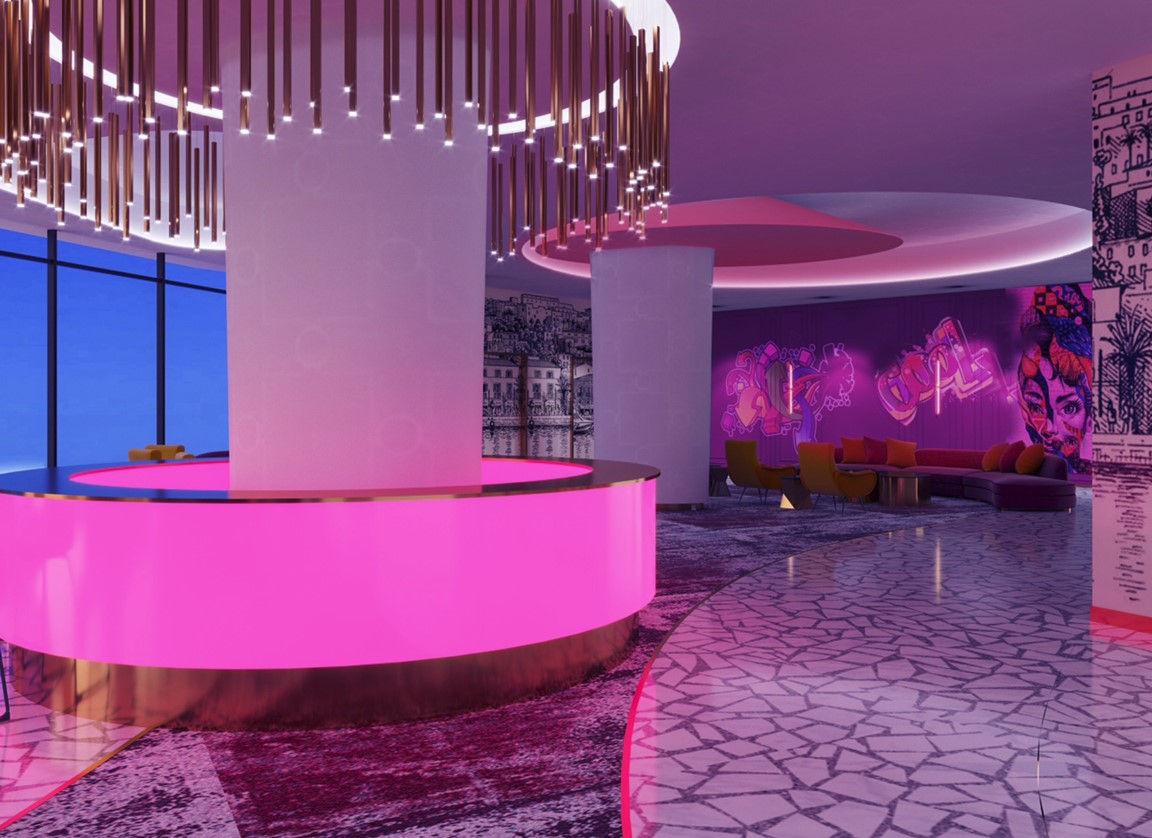
3. Lighting as Infrastructure, Not Decoration
The most significant shift of the last five years is that lighting is now specified as building infrastructure. Adaptive circadian scenes shift a venue from daytime brightness to evening intimacy on a programmed curve, and control systems are coordinated with MEP from concept stage rather than added at handover.
Explore our Interior & Hospitality Design Services or browse the Spiria Project Portfolio.
Frequently Asked Questions
Q: What are the key luxury hospitality interior trends defining Dubai in 2026?
A: Key trends include biophilic luxury integration, adaptive circadian lighting, acoustic micro-zoning, and bespoke tactile materiality (brushed brass, organic stone, hand-woven textiles).
Q: How does Spiria Design Studio approach bespoke hospitality projects?
A: We offer end-to-end services starting from spatial concept narratives and photorealistic 3D rendering to detailed MEP engineering coordination and turnkey fitout delivery.
Create an Unforgettable Hospitality Space
Schedule a consultation with Spiria Design Studio’s award-winning architects.
Get In TouchRecent Posts

Our Client